Comedian Anudeep Katikala Arrested: स्टैंड-अप कॉमेडियन अनुदीप कटिकाला गिरफ्तार, आंध्र प्रदेश के डिप्टी सीएम पवन कल्याण के खिलाफ विवादित टिप्पणी का मामला
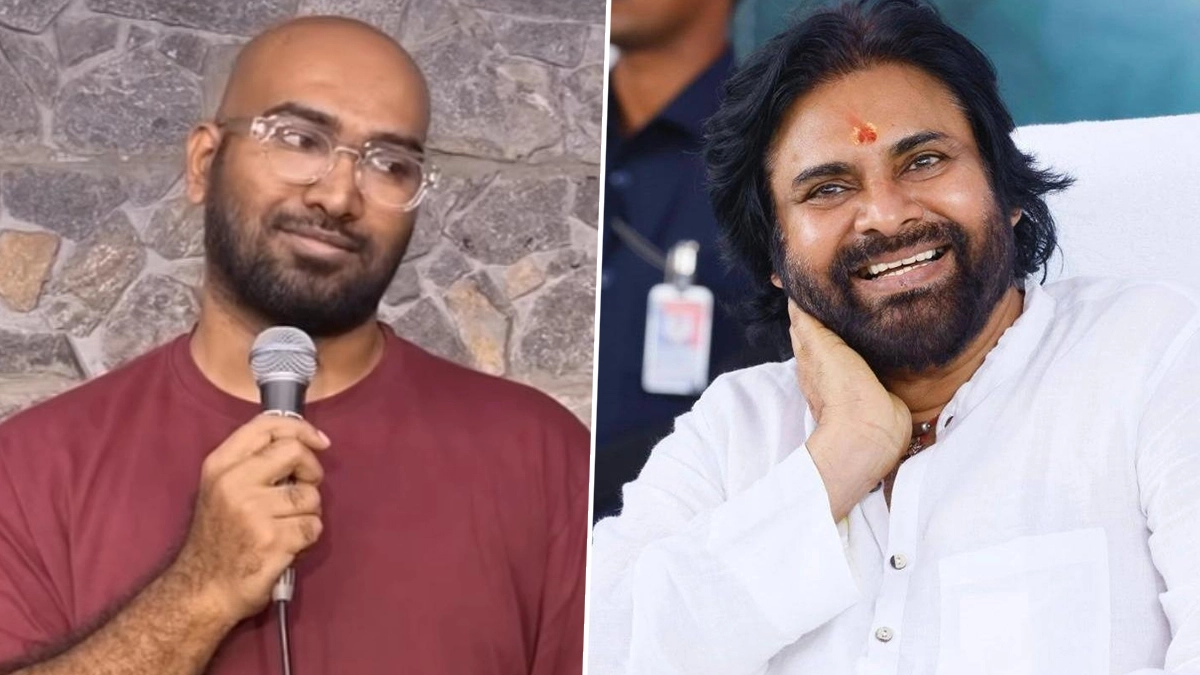
Stand-Up Comedian Anudeep Katikala Arrested Over Controversial Remarks
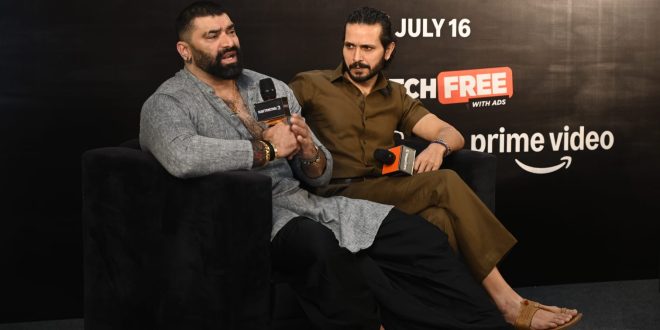
In a significant development that has sent ripples through the Indian comedy circuit and political landscape, popular stand-up comedian Anudeep Katikala has been arrested. The arrest reportedly stems from a complaint filed against him concerning alleged controversial remarks made about Andhra Pradesh's Deputy Chief Minister, Pawan Kalyan. The incident highlights the increasingly sensitive nature of public commentary, especially when directed at prominent political figures.
Details surrounding the exact nature of the remarks remain somewhat vague, but sources indicate that the comedian's jokes touched upon sensitive political and personal aspects of the Deputy CM's life and career. Such statements, while often intended as humor by the performer, can be perceived as deeply offensive and defamatory by others, leading to legal repercussions. This arrest serves as a stark reminder of the fine line comedians often tread when engaging with socio-political themes in their performances.
The legal action against Katikala has sparked a debate about freedom of speech and expression versus the potential for defamation and inciting public outrage. While many in the artistic community advocate for unrestricted creative liberty, legal frameworks exist to prevent speech that causes harm or disparages individuals, particularly those in public office. The case is likely to be closely watched as it unfolds, potentially setting a precedent for how such matters are handled in the future.
- Comedian's Name: Anudeep Katikala
- Reason for Arrest: Alleged controversial remarks
- Target of Remarks: Andhra Pradesh Deputy CM Pawan Kalyan
- Location of Incident: Andhra Pradesh
The Allegations and Legal Proceedings
The arrest of Anudeep Katikala has brought to the forefront the specific allegations leveled against him. While the full transcript or video of the alleged offending performance has not been widely disseminated, reports suggest that his material included comments that were deemed disrespectful and potentially defamatory towards Pawan Kalyan. In India, remarks that are seen as insulting to the dignity of a person, especially a public figure, can attract legal action under relevant sections of the Indian Penal Code.
Following the complaint, law enforcement agencies took prompt action to apprehend the comedian. The process of arrest and subsequent legal proceedings will involve investigations into the veracity of the claims and the context in which the remarks were made. Lawyers representing both sides are expected to present their arguments, focusing on the intent behind the statements and their impact on the individual and the public. The outcome of this legal battle could have significant implications for comedians and their right to engage in satire concerning political personalities.
The legal framework in India, while protecting freedom of speech, also includes provisions against defamation and hate speech. This case will likely test the boundaries of these laws in the context of contemporary stand-up comedy, where sharp wit and social commentary are common. It is crucial for individuals to be aware of the legal implications of their public statements, regardless of their artistic intent. The legal journey for Anudeep Katikala is just beginning, and it will be interesting to see how the courts interpret the balance between humor and responsibility.
Public Reaction and Freedom of Speech Debate
The arrest of Anudeep Katikala has ignited a fervent debate across social media and among the public regarding the boundaries of freedom of speech and the role of satire in a democratic society. While a segment of the public has expressed outrage and supported the legal action, citing the need for respect towards public figures, another significant portion has come out in defense of the comedian. This group argues that humor, especially stand-up comedy, often thrives on pushing boundaries and commenting on societal and political issues, and that restricting such expression stifles creativity and public discourse.
Many artists and comedians have voiced their concern over what they perceive as a growing intolerance towards critique and satire, particularly when directed at politicians. They argue that arresting comedians for their jokes sets a dangerous precedent, potentially leading to self-censorship and a less vibrant public sphere. The incident has also brought attention to the specific political climate in Andhra Pradesh, where figures like Pawan Kalyan hold considerable influence, and criticism can sometimes be met with strong reactions.
This case prompts a broader discussion about where to draw the line between legitimate social commentary and malicious defamation. It is a complex issue with no easy answers, requiring careful consideration of intent, context, and impact. While legal recourse is available for those who feel wronged, the question remains whether criminal charges are always the appropriate response to comedic material. The ongoing conversation underscores the importance of a nuanced understanding of humor, its societal role, and the legal safeguards that protect both individual dignity and the freedom to express dissent and critique, even in jest. You can find more information about the case on news portals like Indian Express or Times of India (Note: Actual links are placeholders).